





Endometriosis affects approximately 10% of women of reproductive age in the United States, which is over 6.5 million people. Severe premenstrual syndrome (PMS) and premenstrual dysphoric disorder (PMDD) affect between 20% and 50% of menstruating individuals.
Holding down a career while managing severe pelvic pain from endometriosis, adenomyosis, or heavy menstrual cramps is a challenge. Clinical research backs up what people living with it already know: severe dysmenorrhea and pelvic pain cause a measurable drop in workplace productivity, driving both presenteeism (working while impaired) and lost hours.
Sitting still at a desk for eight hours in a standard office chair can make pelvic symptoms much worse. Sedentary work compresses the abdomen, restricts venous return, and sets off painful muscle spasms.
Medical care remains essential. But changing how you sit, and what you sit on, can make a real difference to your comfort. Here is how biomechanics, active sitting, and the right office setup can help relieve endometriosis pain at work.
Why Sitting Still Makes Endometriosis Flare-Ups Worse
1. A 90-Degree Chair Angle Compresses the Pelvis

In a conventional desk chair, sitting at a rigid 90-degree angle closes the space between your torso and your thighs. As fatigue sets in, slouching rolls the pelvis backward into a posterior tilt and rounds the lower spine.
That collapsed posture compresses the abdominal cavity and raises pressure across the lumbopelvic region. For anyone with endometrial lesions, inflammation, or pelvic adhesions, that pressure can trigger or amplify a flare-up.
2. Lack of Movement Causes Pelvic Congestion

Prolonged, static sitting slows blood circulation and impairs venous drainage throughout the lower pelvis.
The resulting pooling, known as pelvic venous congestion, stagnates blood flow, raises local tissue inflammation, and intensifies uterine cramping. Breaking up that immobility reactivates pelvic circulation and clears inflammatory markers.
3. Hunching Over Adds Lower Back Pain on Top

During an intense flare-up, the body's instinct is to curl inward: rounding the back, drawing the knees up, guarding the abdomen.
Hunching over your desk may relieve pain for a moment, but it strains the lumbar spine and the pelvic floor muscles. That reflex sets up a cycle in which mechanical back and neck pain gets added on top of the gynecological symptoms you already have.
3 Postural Techniques to Relieve Pelvic Pain at Your Desk
Diaphragmatic Breathing (Belly Breathing)

During a pain episode, most people hold their breath or brace their abdominal muscles without realizing it. Reversing that habit matters. Slow, deliberate diaphragmatic breathing settles the nervous system and lowers how much pain you feel.
- How to do it: Sit upright with your feet flat on the floor. Inhale slowly through your nose and let your belly expand rather than breathing into your chest. Exhale smoothly.
- Why it works: Belly breathing gently massages the internal organs and relieves downward pressure on the pelvic floor.
Pelvic Tilts (Anteversion and Retroversion)
Sitting in one position stiffens the hips and lower back. Gentle movement frees that region without your having to leave your desk.
- How to do it: Slowly roll your pelvis forward and backward over your sit bones (ischial tuberosities). Arch your lower back slightly (anteversion), then gently round it (retroversion).
- Why it works: These micro-movements mobilize the lumbopelvic joint, releasing trapped nerve tension and muscular tightness accumulated during desk work.
The 45-Minute Active Break Rule
Do not wait for severe stiffness or pain to set in before changing positions. Set a quiet timer and break up your sitting every 45 minutes with an active break.

- How to do it: Stand up, walk to get water, stretch your hip flexors, or take several deep breaths.
- Why it works: Physical activity and postural changes unfold the groin, reactivate pelvic blood flow, and relieve abdominal compression.
The Best Office Equipment for Endometriosis Pain
Pairing better posture with the right equipment makes more difference than either alone. Here is how the common options compare on mechanics, comfort, and practical limits.
Heat Therapy (Heating Pads, Heat Patches, Hot Water Bottles)

Heating pads, thermal patches, and hot water bottles are widely used for immediate pain management. During a flare-up, they deliver fast, localized relief to the pelvic area through vasodilation, increasing blood flow, and relaxing tight, cramping abdominal muscles.
Heat is only a temporary relief, though. It does nothing about poor sitting posture, spinal compression, or how your workstation is set up.
Ergonomic Seat Cushions (Donut Pillows, Coccyx & Memory Foam Cushions)

Ergonomic seat cushions come in various designs, including coccyx cutouts, donut pillows, Seat cushions come in several designs, including coccyx cutouts, donut pillows, and memory foam wedges. They help most when endometriosis brings neuropathic pain or pelvic floor tightness.
A cushion offloads direct pressure from the perineum and relieves strain on the pudendal nerve. Beyond comfort during long sitting sessions, it also helps hold your spine in better alignment.
Note: a cushion raises your sitting height, which throws off the rest of your workstation. Re-adjust your chair and desk height so your elbows and knees stay at comfortable angles.
Sit-Stand Desks

Sit-stand desks are an excellent investment for improving posture throughout the day. By alternating between sitting and standing, you can completely unfold your hip angle, relieve pelvic pressure, and restore lower-body circulation.
On a bad pain day or when fatigue is heavy, standing for long stretches can be draining and hard to sustain.
Dynamic Sitting
Dynamic sitting means changing position continuously and adding gentle micro-movements through the workday. A dynamic seat, such as an ergonomic ball chair or an active stool, lets you shift your weight and move your pelvis without leaving your desk.
Those small, constant adjustments improve comfort, engage the deep core stabilizers, and remove the sustained pelvic compression a static chair creates.
Quick Summary: Office Equipment Comparison
|
Equipment |
Primary Benefit |
Key Limitation |
Best Used For |
|
Heat Therapy |
Fast thermal muscle relaxation via vasodilatation |
Temporary relief; no postural support |
Acute cramps & immediate pain relief |
|
Seat Cushions |
Offloads pressure from the perineum & pudendal nerve |
Alters sitting height; requires desk re-adjustment |
Neuropathic pain & tailbone discomfort |
|
Sit-Stand Desks |
Unfolds hips completely & eliminates pelvic pressure |
Exhausting during severe fatigue or acute flare-ups |
Alternating postures on medium/low pain days |
|
Dynamic Sitting |
Continuous pelvic mobility & boosts blood flow |
Requires a brief adaptation period |
Full-day active sitting & preventing pelvic congestion |
The Bloon Ball Chair: Easing Pelvic Pressure at Your Desk

Among active sitting options, the Bloon ergonomic ball chair is built around the mechanics that drive desk-bound pelvic pain.
An Open Hip Angle Takes Pressure Off the Abdomen
Curling up feels like the right defense against cramps, but releasing abdominal compression is what helps break the pain cycle. Bloon's spherical design sits your hips slightly higher than your knees. That open hip-to-torso angle removes pelvic crowding and takes pressure off the lower abdomen.
Pelvic Movement Without Thinking About It
A standard office chair locks the pelvis in one position. Bloon introduces controlled instability that encourages gentle pelvic tilting and small adjustments without conscious effort, which helps release pelvic floor guarding.
Micro-Movements Keep Blood Moving
Through gentle bouncing, swaying, and hip rotation, the Bloon active seat acts as a pump for your circulation. Better venous return prevents pelvic congestion, brings oxygenated blood to contracting muscles, and reduces painful spasms.
Designed for Professional Workspaces
Unlike neon plastic exercise balls, the Bloon office ball chair was co-designed alongside an osteopath specifically for extended desk sitting. It features:
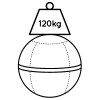
- A Weighted Anti-Roll Base: Keeps the seat grounded when you stand up, preventing it from rolling away in the office.
- Luxury Upholstery: Available in premium woven fabrics like mesh, plush corduroy, and natural linen to complement modern corporate and work-from-home (WFH) interiors.
- Built-in Safety & Stability: Delivers active posture support without the dangerous instability of standard gym balls.
Workplace Accommodations & ADA Rights in the US
Can your employer help fund your ergonomic setup? Yes.
In the United States, severe endometriosis, adenomyosis, and chronic pelvic pain conditions can qualify as disabilities under the Americans with Disabilities Act (ADA) if they substantially limit major life activities (such as working during flare-ups).
Requesting Reasonable Accommodations
Under the ADA, employees with covered health conditions can request Reasonable Accommodations from their HR department. Examples include:
- Ergonomic office furniture (such as a Bloon ball chair or a sit-stand desk)
- Flexible scheduling or hybrid/remote work flexibility on high-pain days
- Restorative break schedules for movement and thermal relief
Funding via FSA / HSA Accounts
If you manage your workspace setup independently, ergonomic active seating can often be purchased tax-free using Flexible Spending Accounts (FSA) or Health Savings Accounts (HSA) under IRS Medical Expense guidelines. Obtaining a Letter of Medical Necessity (LMN) from your OB/GYN or physical therapist allows you to apply pre-tax dollars toward ergonomic equipment.
Working Comfortably With Endometriosis
Managing endometriosis at work means getting away from rigid, motionless sitting. Curling into a ball feels natural during a flare-up, but holding still raises lumbopelvic pressure and worsens venous congestion.
Active micro-breaks, belly breathing, and dynamic sitting on a Bloon ergonomic chair work together to relieve pelvic compression, keep blood moving, and make a full workday more manageable.