

Long hours in a chair are hard for most people, and harder for anyone with ADHD who finds their attention sliding away in a standard seat.
The wobble cushion, also known as a wiggle seat, dynamic seating cushion, or balance disc, puts some movement back into sitting and can help hold focus.
Does it work for everyone? How do you pick one? What can it realistically do, where does it fall short, and what else is worth trying? Here is what to know about wobble cushions and wiggle seats for children and adults with ADHD.
What Is an ADHD Cushion and How Does It Work?

What Is a Concentration Cushion (Wiggle Seat)?
A wiggle seat, or concentration cushion, is a round disc, usually inflatable, with or without sensory nubs on the surface, that sits directly on a chair seat. It gives you a less rigid surface than the chair alone, which makes shifting position easier.
It is a comfort accessory. It has no therapeutic claim and treats nothing, and it exists for people who feel an urge to move when they have been sitting a while.
How the Instability Works
Different models give you different amounts of instability. The point is that small movements become possible, so you can keep adjusting your posture through the day.
On a slightly unstable surface, moving while you stay seated takes almost no effort. Whether you pick an inflatable disc or a textured one, the surface is softer and more forgiving than a hard chair.
Why Use an ADHD Wobble Cushion?
Moving Without Disturbing the People Around You
Sitting still for hours is difficult with ADHD. In an office or a classroom, someone shifting constantly in a rigid chair becomes noticeable fast, and that draws attention nobody wanted.
A wiggle seat gives a child or an adult more room to move, and the movement stays quiet. A soft, slightly unstable cushion absorbs the kind of fidgeting that a hard chair broadcasts.
Holding Attention for Longer
For people who need to move in order to concentrate, a dynamic cushion helps sustain attention. The micro-movements engage the deep stabilizing muscles, which keeps the brain stimulated and gives attention something to settle on.
One randomized study found that inflatable cushions helped young students stay engaged and on task.
Sensory Input from a Textured Surface
Cushions with sensory nubs add tactile input that plenty of users like. The seat becomes something you can feel, and that physical anchor helps some people manage emotions and tune out distractions.
Sensory input works differently for everyone, though, and a textured surface improves attention for some users while doing nothing for others.
Better Posture and More Active Sitting
Research on dynamic sitting links it to better mobility and more postural comfort. A balance disc is worth considering if you want more freedom to move, more frequent position changes, and help holding a reasonable posture.
Does an ADHD Cushion Really Help You Focus?
How Movement and Attention Are Connected
Scientific research on neurodivergent people suggests that motor restlessness, the rocking and the leg movement, works as an outlet. Physical movement gives stress and anxiety somewhere to go, which leaves more capacity for the task at hand.
By making movement available while you sit, a wobble cushion meets that physical need. Overall restlessness tends to drop, and time on task tends to rise.
Concentration, Attention, and Restlessness Are Three Different Things
Someone can fidget constantly and still be deeply absorbed in their work. Someone can also sit perfectly still while their mind is somewhere else entirely. The three terms get used interchangeably, and they mean different things.
- Concentration: Active engagement in a task, or staying involved in an activity and participating despite distractions.
- Attention: The underlying cognitive ability to stay focused over time.
- Restlessness: The physical need to move, change positions, or stand up regularly. Many individuals, especially those with ADHD, find it difficult to sit still for long periods.
What You Can Realistically Expect from an ADHD Cushion
A dynamic wobble cushion is not a miracle cure for attention deficits and hyperactivity, but it does satisfy the ADHD brain's need for movement and supports focus in four practical ways:
- Waking Up the Brain: The mobile seating surface and continuous micro-movements stimulate alertness and attention.
- Acting as a Pressure Release Valve: Sitting completely still requires significant mental effort and drains cognitive resources. Because a dynamic cushion permits small movements, that energy can instead be dedicated to focusing on the task.
- Channeling Restlessness: Instead of chair-rocking, foot-tapping, or constant leg-shaking, the urge to move is absorbed by the dynamic seat.
- Preventing Postural Slump: The continuous muscle activation required to manage seat instability prevents slouching that puts the mind to sleep.
Why Results Vary So Much Between People
Effectiveness varies a lot between individuals. Every ADHD brain is different, and a wiggle seat that transforms one person's workday is a pure distraction for the next.
In a randomized trial conducted with 271 children, using a seating cushion did not improve the attention abilities of the participants overall.
Several factors influence a cushion's effectiveness:
- Individual Sensory Needs: For hypersensitive individuals, sensory nubs can feel like tactile irritation that hinders focus rather than helping it. For others, those same nubs provide a helpful sensory anchor.
- ADHD Profiles: People with hyperactive ADHD often benefit from a wobble cushion because it helps release excess motor energy. In contrast, for individuals with inattentive ADHD (attention deficit without hyperactivity), the micro-movements required to stabilize their posture can consume too much energy and detract from attention.
Nubbed, Inflatable, or Smooth Cushions: What Are the Differences?
The Textured (Nubbed) Cushion

Covered in small sensory points, the textured cushion delivers tactile input. It suits people who need that feedback to feel grounded in their body and hold their attention in place. The nubs are also the thing most likely to become uncomfortable over a long session.
The Inflatable Dynamic Disc (Wobble Cushion)

Sold as an active cushion or balance disc, this is a smooth, flexible air cell. Instability is the whole point: staying balanced prompts micro-movements, which keeps your posture and weight distribution changing. Some models let you adjust the air pressure for more or less wobble.
The Ergonomic Incline Cushion (Wedge Cushion)

A wedge tilts the pelvis forward, which opens the hip angle, improves posture, and makes long sitting more comfortable.
How to Choose an ADHD Wobble Cushion?
If you're unsure which one to buy, four things matter most.
How Much Wobble You Want
Stability varies between models. An inflatable cushion, especially one with adjustable air volume, gives you more movement than a textured one. That instability prompts useful posture changes for some people and becomes an extra distraction for others.
Sensory Nubs vs. Smooth Surface
Texture preference is personal. A nubbed cushion suits people who want tactile stimulation to concentrate. A smooth cushion suits anyone who prefers an ordinary surface, including sensory-sensitive profiles.
Size and Comfort
Match the cushion to the chair and to the person's build. For a child, check that the wiggle seat allows safe sitting with no risk of sliding off.
Where You'll Use It: Home, School, or Office
- At home: An ADHD cushion can be used for homework, reading, or staying focused during seated crafts and hands-on projects.
- At school: A children's wiggle seat has to fit with classroom furniture and school rules.
- For college and studying: A seating cushion can help sustain attention and memory retention during long study and exam prep sessions.
- At work: A dynamic cushion provides mobility to support focus during long hours at a desk without sacrificing comfort.
ADHD Wiggle Seats for Children: When and How to Use Them?

A concentration cushion allows a child with ADHD to satisfy their need for movement without leaving their chair. At school or at home, it fits into the child's environment without requiring new furniture. Letting the child help choose it makes a real difference to whether they use it.
For Homework and Activities at Home
During homework or other home activities, an ADHD cushion can be introduced to support focus. Present the cushion as a work tool rather than a toy.
At School
With the agreement of the teacher and the school, using an ergonomic wiggle seat in the classroom can help a student remain seated longer while still moving. On a concentration cushion, a child can move freely without disrupting classmates.
Let Them Choose and Test
Whenever possible, let the child test the ADHD cushion before committing to daily use. Start with short sessions so they can get used to it. The right model is one that satisfies motor and sensory needs without adding a distraction.
What About Teens and Adults with ADHD?

Long stretches of sitting are hard for teens and adults with ADHD during repetitive or passive work: reading, studying, meetings, drafting long documents.
By adolescence and adulthood, motor hyperactivity has usually turned inward, surfacing as nervous tension, mental restlessness, or repetitive leg movement. Comfort and appearance become priorities in a way they aren't for a seven-year-old.
Studying with a Concentration Cushion
An ergonomic cushion suits students who struggle to stay focused while writing, reviewing notes, or reading. The dynamic surface meets vestibular needs through small seated movements, giving sensory restlessness an outlet so concentration has room. Long study sessions also demand real comfort, which is its own argument for getting the fit right.
Working at the Office or from Home
In an office or home workspace, a wobble cushion takes the edge off prolonged sitting and helps keep you mentally sharp. Match the cushion to the room as well as to your body: in a professional setting, a discreet model disappears into the decor in a way a bright, spiky one never will.
Is a Cushion Suitable for Prolonged Use?
An ergonomic cushion is built for stretches rather than for eight-hour days. A firm or very unstable surface, a heavily textured one, or a small diameter all become uncomfortable and tiring over a full workday.
The Limitations of ADHD Cushions
They Don't Suit Everyone
For some people a dynamic cushion takes the edge off ADHD symptoms by offering a mobile seat and sensory input that keeps them alert. Others find it unstable, tiring, or simply unpleasant to sit on.
A Cushion Does Not Treat ADHD
A concentration cushion must be viewed as an ergonomic tool, not a clinical treatment for ADHD. It is simply one piece of an environment designed to support focus, with no guarantee of total effectiveness.
The Novelty Effect Fades
While a user may initially be enthusiastic about their new accessory, interest can wane quickly. Once the novelty wears off, some people stop using the cushion altogether.
The Risk of Distraction
For sensitive people, a cushion turns into one more thing competing for attention. Strong instability works for some profiles and sensory nubs for others, with no single setup that fits everybody. A cushion on a hard chair can also slip and slide around, which breaks concentration every time you have to reposition it.
Muscle Fatigue and End-of-Day Discomfort
Muscle fatigue and lack of comfort can produce the opposite of the desired effect: increased restlessness and poor posture by the end of the day.
The Risk of Misuse by Children
Even when introduced as a tool, a cushion can quickly become a toy in a classroom. Other students may want to try it, balance on it while standing, or toss it around, disrupting class.
The Stigma of "Therapeutic Equipment"
An ergonomic accessory can sometimes feel stigmatizing. Wondering "Why do I need a special cushion to work?" can create a psychological hurdle for potential users.
Movement Needs Are Not Always Fully Met
Freedom of movement remains limited on an ADHD cushion. For individuals with pronounced hyperactive or vestibular needs, the range of motion on a small seat disc is often insufficient. Other solutions exist to correct sitting posture and incorporate more movement throughout the day.
What Are the Alternatives to an ADHD Cushion?
Several ergonomic tools can make sitting more dynamic. Ball chairs, under-desk pedals, footrests, chair resistance bands... discover the recommended equipment for ADHD profiles and find the one that fits your needs.
The Ball Chair: Move More While Seated

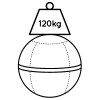
A ball chair replaces your chair, so it works as a complete seat in its own right. It also gives you a softer surface to sit on. Bloon Active Seat, with a weighted base wrapped in non-slip fabric, is steadier than a basic Swiss ball and stays put when you stand up.
The real argument for a ball chair is the range of movement. Shifting position, tilting the pelvis, redistributing weight, moving your legs, rotating your torso, standing up and sitting back down all happen without thinking about them.
The ball chair's benefits include:
- Stimulating blood circulation
- Supporting brain oxygenation and alertness through the continuous micro-movements required for balance
- Engaging deep stabilizing muscles to improve posture and align the spine
A ball chair delivers dynamic sitting that lets you move continuously while remaining seated, which makes it an effective solution for people with ADHD seeking a dedicated chair built around how they actually sit.
The Footrest: Keeping Legs Moving at Your Desk
Available in fixed, angled, or rocking designs, a footrest allows you to shift weight through small foot movements. It is particularly helpful when feet do not comfortably reach the floor, though its movement remains focused primarily on the lower legs.
The Under-Desk Foot Roller: Continuous Foot Motion
Placed beneath the desk, a foot roller offers more mobility than a standard footrest, allowing you to roll and rock your feet. It suits people who want their legs busy while they work.
The Chair Resistance Band: Leg Movement Without Leaving Your Seat

A resistance band stretches around the front legs of a standard chair. You can press against it, bounce your ankles, or move your feet back and forth, all silently.
Ergonomic Stools and Dynamic Seating: Easier Posture Changes
Dynamic stools - such as wobble stools, saddle seats, or sit-stand perches - are designed to make changing positions effortless. At school or at work, an active stool offers far more mobility than a conventional chair.
The Sit-Stand Desk: Alternating Between Sitting and Standing

Working at a screen or doing homework does not require sitting all day. A manual or electric sit-stand desk lets you alternate easily between sitting and standing, reducing total sedentary time.
Desk Pedals or Desk Bikes: For Greater Movement Needs
Under-desk pedals and desk bikes let you pedal while seated, which suits a pronounced need for physical movement. They work best during passive desk tasks, since pedaling interferes with anything requiring fine motor precision.
Active Breaks: Stepping Away from the Chair
Sedentary habits contribute to postural fatigue and stress, particularly for neurodivergent people. The body is built to move, and structured active breaks during work or school days remain irreplaceable. Standing, walking, stretching, or letting children run and jump resets circulation, oxygenates tissues, and loosens joints.
How to Choose an Alternative to an ADHD Cushion
|
Primary Need |
Recommended Solution |
|
Add small movements to an existing chair |
Dynamic seating cushion (Wobble cushion) |
|
Move more freely while seated |
Ball chair (especially Bloon) |
|
Shift foot support |
Footrest |
|
Keep feet in continuous motion |
Under-desk foot roller |
|
Discreetly mobilize legs |
Chair resistance band |
|
Facilitate frequent posture changes |
Ergonomic stool / Bloon Active Sitting |
|
Alternate between sitting and standing |
Sit-stand desk |
|
Keep legs physically active |
Desk pedals / desk bike |
|
Stimulate the entire body |
Active movement breaks |
Conclusion
A wobble cushion is an affordable, low-commitment way to put movement back into sitting, and it works with the chair you already have at home, at school, or in the office.
For wider vestibular stimulation, more freedom to move, and better comfort across long days, a ball chair usually wins. Either way, the thing that matters is matching the tool to how you actually need to move.
Frequently Asked Questions: ADHD Cushions
Does an ADHD cushion really improve concentration?
An ADHD cushion can support concentration for many individuals by providing low-level motor stimulation, but it can also be a distraction for others depending on their sensory profile.
Which cushion should you choose for a child with ADHD?
Identify the child's specific sensory and motor needs, and select a wiggle seat sized appropriately for their age, chair, and school environment to ensure safe, stable sitting.
Is a nubbed cushion suitable for ADHD?
A nubbed cushion works well for people who enjoy textured surfaces and benefit from tactile grounding. However, it can irritate or distract sensory-sensitive individuals.
Can an adult with ADHD use a concentration cushion?
Yes. Adults can use a concentration cushion at work, at home, or while studying. Session lengths can be adjusted based on personal comfort and task demands.
Can you sit on an ADHD cushion all day?
Sitting on an unstable cushion for an entire workday is often uncomfortable and tiring. Many users prefer using it for focused intervals rather than full eight-hour stretches.
How much should you inflate a concentration cushion?
Follow the manufacturer's instructions. A firmer inflation provides more stability, while lower inflation allows greater wobble and requires more active balancing. Inflate it according to your preference for firmness and mobility.